
There are days when teaching reminds you that knowledge is not just about what you know, but also about how well you can help others understand it.
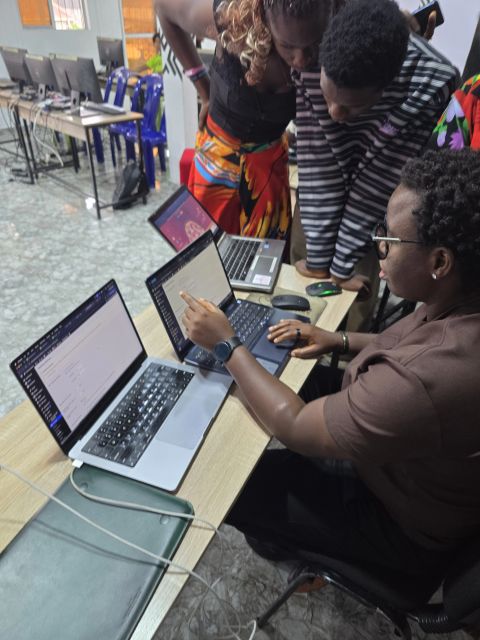
One of those days was when the learners started coming, one after another, each with questions, ideas, and, in some cases, their laptops, ready to learn and practise what I had been teaching them.
Immediately I saw them coming in one after the other, I said to myself, “Teresa, today is going to be a long day!”
And trust me, it really was!
When Every Learner Has a Question
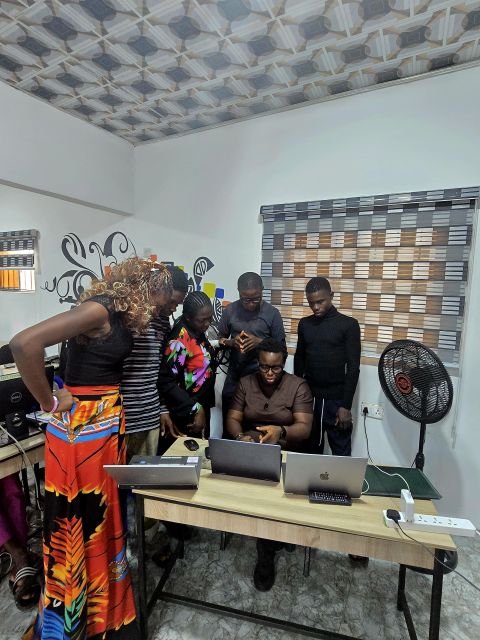
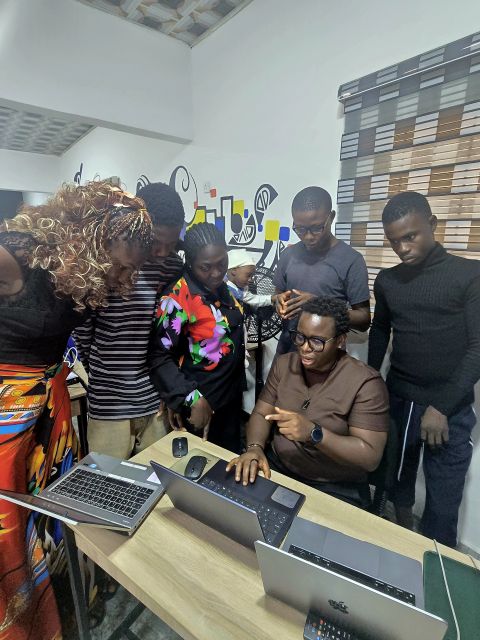
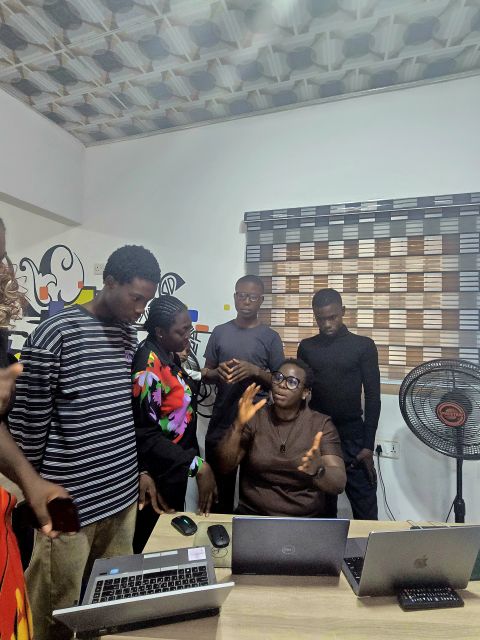
As the session progressed, the questions kept coming. One person wanted to understand a particular step. Another needed clarification on something we had discussed earlier. Someone else wanted to know why a process worked the way it did, while another needed a practical example before the concept could make sense.
And, of course, I had to attend to each of them.
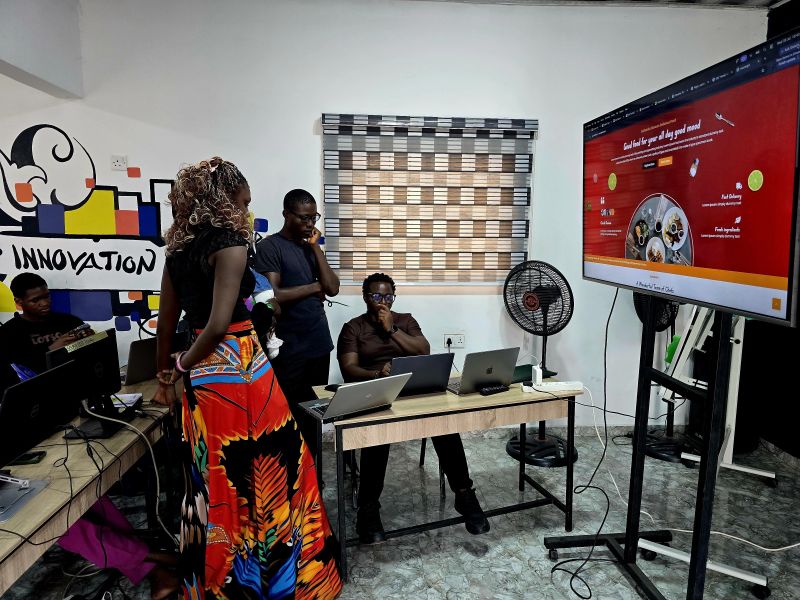
Sometimes, explaining a concept once was not enough. I had to break it down further, use simpler words, demonstrate the process on a laptop, and sometimes give a real-life example to help them understand better.
For me, that is one of the most important parts of teaching technology. It is not enough to show someone what to do; you also need to help them understand why they are doing it and how they can apply that knowledge independently.
For example, when teaching website design, it is one thing to show a learner how to create a button on a webpage. It is another thing to explain why the button is needed, where it should be placed, and how it helps a website visitor take the next step.
That is the difference between simply following instructions and actually understanding what you are learning.
The Beauty of Learning Through Practice
One thing I have come to appreciate about practical training is that learners often understand better when they can see what they are learning and try it out for themselves.
Sometimes, a concept that sounds complicated when explained theoretically becomes much easier when demonstrated step by step.
This is why I enjoy making my teaching as simple and practical as possible. I want learners to leave a session feeling confident enough to practise what they have learned, explore further, and eventually solve problems on their own.
Of course, this approach requires patience. You may need to explain the same thing several times in different ways. You may need to move from one laptop to another, check what someone is doing, correct a mistake, and answer another question before returning to where you stopped.
It can be demanding, but seeing a learner finally understand something that seemed difficult a few minutes earlier makes the effort worthwhile.

Their Excitement Made It All Worthwhile
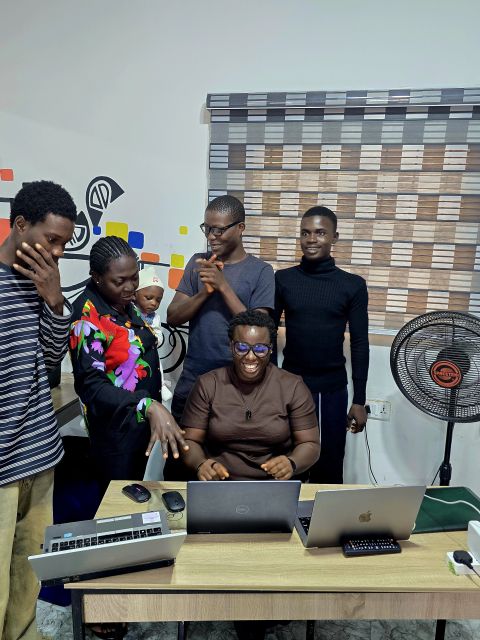
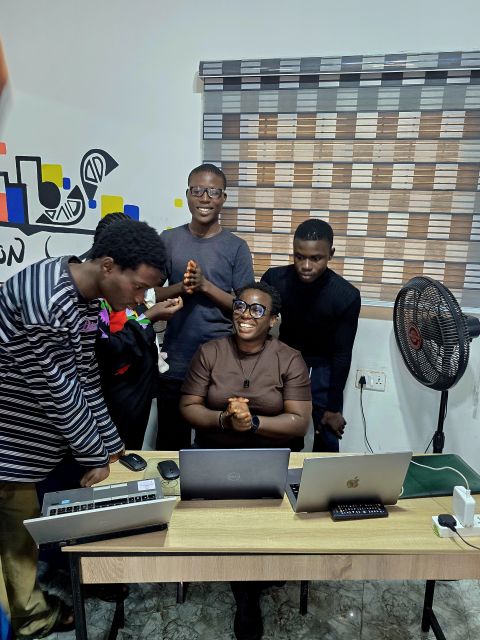
Despite the many questions, repeated explanations, and constant movement from one learner to another, I genuinely enjoyed every bit of the experience.
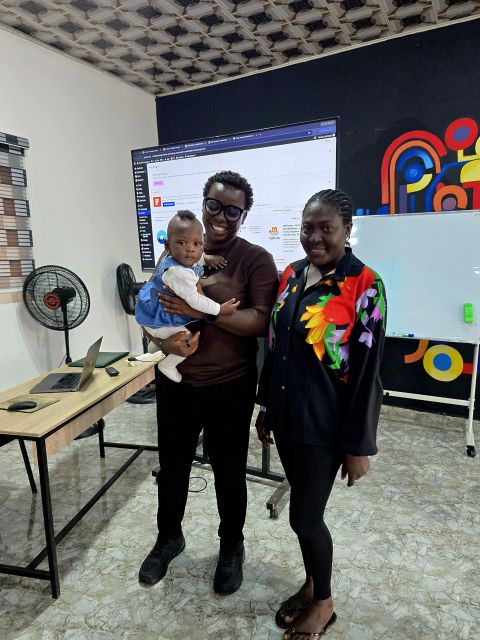
There is something special about seeing the excitement on someone’s face when they finally understand a concept. That moment when they say, “Oh, I understand now!” or successfully complete a task they initially struggled with is always rewarding.
Those little moments remind me why I love what I do.
The questions that seemed endless at the beginning became opportunities to make learning clearer, build confidence, and encourage curiosity. What I initially thought would be a long and exhausting day turned into another memorable reminder of the impact that patient teaching and practical knowledge can have.
And honestly, I would rather have learners who ask questions because they want to understand than learners who remain silent because they are afraid of getting something wrong.
Questions are part of the learning process. They show curiosity, reveal areas that need clarification, and create opportunities for deeper understanding.
Teaching Is More Than Sharing Knowledge
As a technology professional, I have come to understand that teaching requires more than technical knowledge. It requires patience, communication, empathy, and the willingness to meet people at their level of understanding.
Not everyone learns at the same pace. Some people understand quickly when they see a demonstration, while others need to practise repeatedly before everything falls into place. A good teacher must be willing to make room for these differences.
This is particularly important when teaching digital skills. Technology can appear intimidating to beginners, especially when they are exposed to unfamiliar tools, terms, and processes. Breaking things down into manageable steps can make the learning experience less overwhelming and more enjoyable.
My goal is not just to teach people how to use a tool or complete a task. It is to help them develop the confidence to explore, experiment, ask questions, make mistakes, and learn from those mistakes.
Because, at the end of the day, the real success of teaching is not measured by how much information you share. It is measured by how much your learners understand and what they can do with that knowledge.
Yes, it was a long day. Yes, the questions kept coming. And yes, I had to explain things in the simplest ways possible, sometimes using practical examples to make sure everyone understood.
But would I do it again? Absolutely!
I love what I do, and I find joy in helping people understand technology and discover what they are capable of achieving with the right knowledge and guidance.
To every learner who asks questions, keeps practising, and refuses to give up when something seems difficult, keep going. Never be ashamed to ask for clarification. You do not have to understand everything at once.
And to everyone who teaches, mentors, or shares their knowledge with others, remember that sometimes, the simplest explanation can make the biggest difference.
The day may be long, but when knowledge is shared and understanding begins to grow, every minute is worth it.
And that is one of the many reasons I love what I do.